Water-State Cooker
Water-State Cooker
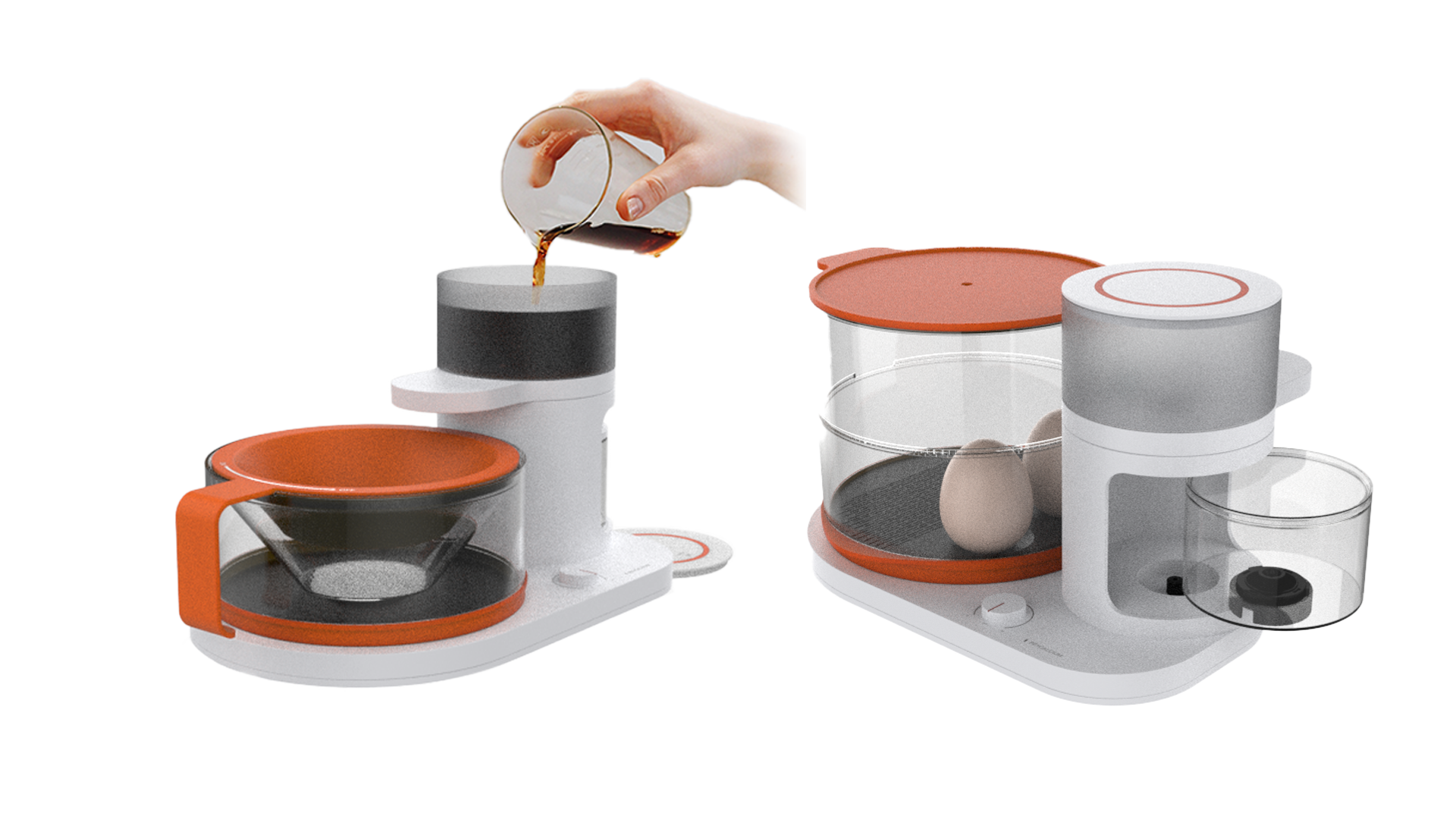
A home cooking system that automates the control of water states in traditional Chinese cooking.
Background
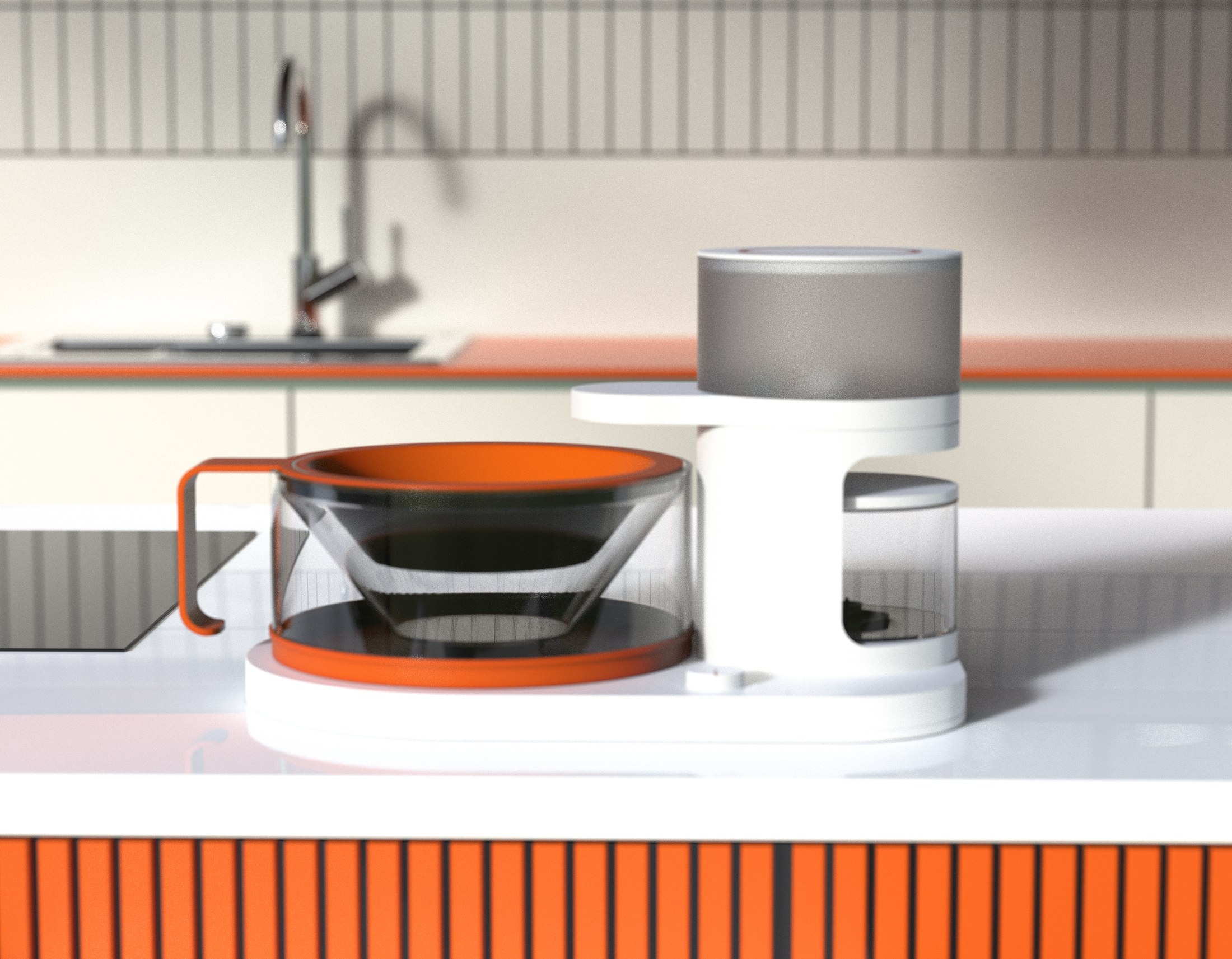
Automated home cooking appliances are increasingly common, but few can control the actual state of water. East Asian steaming, boiling, simmering and soaking depend not on a fixed temperature, but on changes in bubbles, liquid level and broth concentration. Without sensing these changes, appliances cannot control cooking conditions accurately, so users must still watch the pot, add water and prevent overflow or dry boiling.
Dian Shui
Dumplings, noodles, wontons, tangyuan
A small amount of cooler water is added to interrupt an aggressive boil, protecting delicate dough from breaking, overcooking or causing the pot to overflow.
Shrimp-eye Water
Tea, eggs, tofu, fish slices, delicate ingredients
Fine bubbles indicate a gentle water state used for micro-boiling, soaking and ingredients that require softer, more precise heat.
Simmering
Congee, beans, soup, stew
A low, steady boil balances heat and liquid over time so food can cook slowly without losing too much water.
Broth Control
Hotpot, braised dishes, soup-based meals
Water or broth is added as ingredients absorb liquid or evaporation changes its level, texture and concentration.
Problem → Design Opportunity
PROBLEM
Small electric cookers control heat, not the actual state of the water. Users still need to watch the pot, manage foam and liquid level, and prevent overflow or dry boiling.
DESIGN OPPORTUNITY
Shift control from temperature alone to sensing and adjusting the water state, so the appliance can respond throughout each stage of water-based East Asian cooking.
Concept
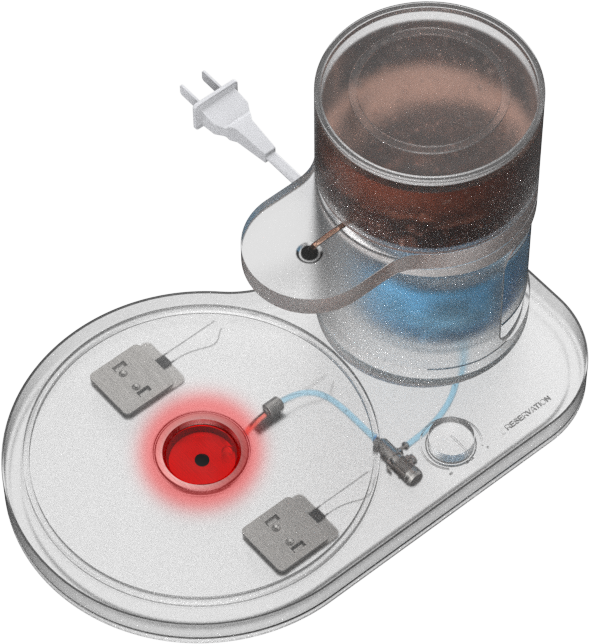
The product uses sensors and a top water-state intervention channel to maintain the correct cooking environment. It can add water, interrupt aggressive boiling, dilute starch foam, maintain liquid level and support gentle cooking conditions without asking the user to constantly open the lid or watch the pot.
Mode Switching
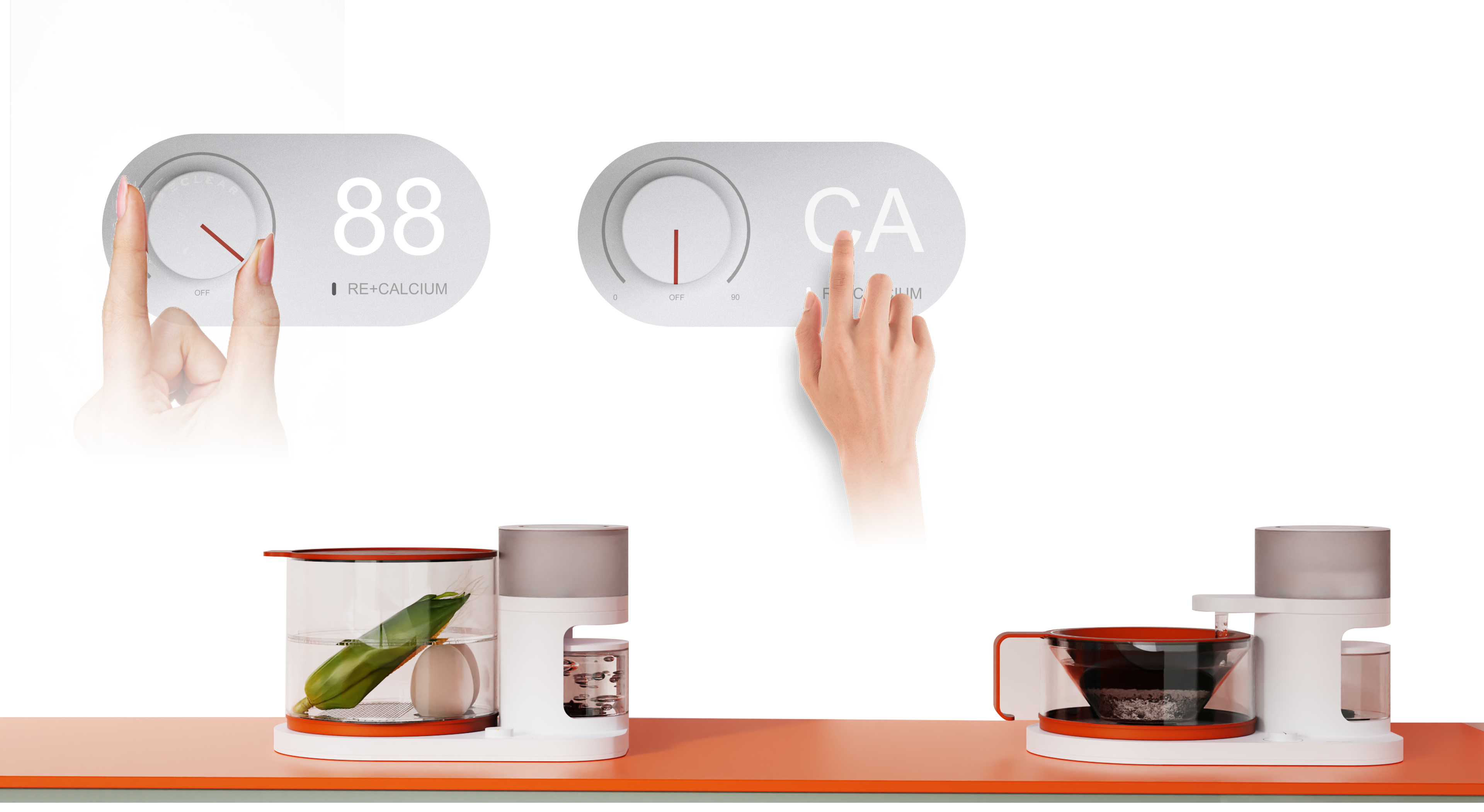
The interface keeps mode selection direct: users can switch between everyday cooking and water-state intervention modes without entering a complex menu. The control language remains close to the appliance body, so the cooking state, liquid intervention and user action stay visible in one place.
Adding Liquid
This image shows how the Water-State Cooker manages liquid during cooking. The upper reservoir can hold water, broth or another suitable cooking liquid. Guided by the selected mode and sensor feedback, the system meters that liquid into the vessel to interrupt an aggressive boil, dilute rising starch foam, restore liquid lost to evaporation or maintain broth concentration without opening the lid. The right-side view shows a second use mode: steaming food above the vessel while the system manages the water below.